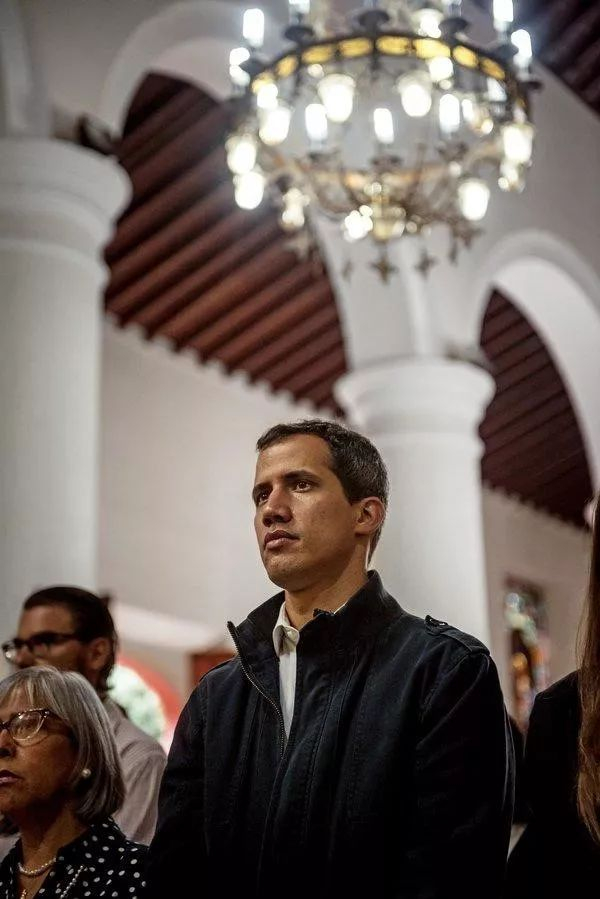
1月30日,委内瑞拉反对派领导人瓜伊多在纽约时报发表文章,呼吁委国民众团结一致,推翻现任马杜罗政府。1月23日,瓜伊多自行宣布就任委内瑞拉“临时总统”。此后该国混乱局势升级。以下为瓜伊多《纽约时报》文章翻译及英文全文。
委内瑞拉人民必须团结起来,推翻马杜罗
胡安·瓜伊多(Juan Guaidó)
1月23日,在残暴的独裁者马科斯·佩雷斯希门尼斯被推翻61年后,委内瑞拉人再次聚集在一起,庆祝民主的一天。
1953年,一个制宪大会以舞弊的方式选出了佩雷斯·西蒙内斯。按规定,他的任期定于1958年结束。但1957年晚些时候,他并没有呼吁举行自由而透明的总统选举,而是就他的施政举行了一次公民投票,之后以非民主的方式再度当选。民众发动大规模抗议,军方建制派内部陷入分裂,于是这位独裁者逃离了这个国家,委内瑞拉在1958年1月23日重新获得自由。
我们再度面临恢复民主和重建国家的挑战。这一次,我们遭遇的是一场人道主义危机和尼古拉斯·马杜罗非法把持总统职位。委内瑞拉现在存在药品和食品的严重短缺,重要基础设施和医疗系统已经崩溃,越来越多的儿童营养不良,先前已根除的疾病重新出现。
我们的凶杀犯罪率位居世界之首,政府对抗议者的残酷镇压使局面更加恶化。这一悲剧引发了拉美历史上最大规模的人口外逃,目前有三百万委内瑞拉人生活在国外。
我愿意澄清委内瑞拉的局面:马杜罗于2018年5月20日再度当选委内瑞拉总统,他的再度当选是不合法的,自那之后这一点已为国际社会中的大多数国家承认。他的第一个六年任期已在1月10日结束。尼古拉斯·马杜罗的继续恋栈是在篡夺总统职权。
我宣布自己担任临时总统是基于委内瑞拉宪法第二百三十三条。依据这一条的规定,假如在总统新一届任期开始,国家没有选出首长,则权力归属于国民大会主席,直到举行自由而透明的选举。何以我于1月23日宣誓就任临时总统不能被认为是一种“自我宣告”,原因在这里。我当日获得总统职责并非主动自愿,而是依据委内瑞拉宪法。
乌戈·查韦斯于1998年掌权时,我十五岁。当时我生活在比邻加勒比海的巴尔加斯州(Vargas State)。1999年,暴雨导致严重洪水,造成数千人死亡。我失去了数位朋友,泥石流埋没了我就读的学校。
自那以后,韧性的意义深深铭刻在了我的灵魂之中。我的祖父和外祖父都任职于军队,他们将一套强大的工作伦理言传身教给了他们的子女,这帮助我的家人挺过了那些灾难性的洪水。我领悟到,假如我想为国家争取更光明的未来,我必须苦干,将生命献给公共服务。
查韦斯治下的国家正在滑向极权主义,随着这一点变得明朗,我加入到学生运动的洪流之中。在2007年的全民公投中,学生运动发挥了关键作用,查韦斯原本想凭借这次公投大权独揽,但学生运动带给查韦斯的是一次决定性失利。我投身于地方政治,于2015年获选担任国民大会(National Assembly)议员,代表巴尔加斯州。(国民大会,或称“全国代表大会”,是委内瑞拉最高立法机构,依据1999年修订的宪法,实行一院制。——译注)
今天,来自学生运动时代的同一代兄弟姐妹与我并肩,与此同时,不同政治立场的委内瑞拉人一同加入到了重建民主的队伍之中。恢复常态,为的是建设一个我们都梦想的发达而繁荣的国家,是我们义不容辞的责任。
但首先我们必须找回自由。
自拉丁美洲于两百年前赢得独立,争取自由的斗争就成为我们DNA的一部分。本世纪,我们已一再走上街头;我们明白,不只是我们的民主的生存,甚至是我们这个民族的命运,都濒临险境,
在马杜罗政权治下,一个模式已经形成。当压力渐趋增强,当局的第一反应是镇压和迫害。我知晓这一点,是因为我自己的身体中,至今留有武装部队在2017年向一群和平抗议者发射的铅弹。
在马杜罗先生治下,已有至少两百四十名委内瑞拉人在游行示威中遭到谋杀;政治犯有六百人,包括我所在的党的创立者莱奥波尔多·洛佩兹(Leopoldo López)在内,他已入狱五年。眼见镇压策略徒劳无功,于是马杜罗先生及其心腹言不由衷地建议举行“对话”,但我们对这样的操弄已经无感。他们再也无计可施,篡夺权力是他们仅剩的选择。[胡安·瓜伊多所在的党为“人民意志党”(Voluntad Popular),该党成立于2009年,立场中间偏左,主张第三条道路、社会民主。——译注]
鉴于马杜罗政权不能合法地把持权力,我们的应对方案有三。首先,强化国民大会,作为民主的最后堡垒;其次,巩固国际社会特别是利马集团(Lima Group)、美洲国家组织、美国和欧盟的支持;第三,基于人民有自决权的原则,诉诸人民。(利马集团,2017年8月成立于秘鲁首都利马,现有十四个成员国,主张和平解决委内瑞拉危机。——译注)
已有超过五十个国家,或是承认我是委内瑞拉临时总统,或是承认国民大会的合法地位。我已向联合国秘书长安东尼奥·古特雷斯和一些人道机构发出呼吁,寻求支持,以缓和目前的人道危机。我已启动任命大使、找到并收回藏匿于国外的委内瑞拉国有资产的程序。
委内瑞拉人普遍的一致性意见是支持变革:我们84%的国民拒绝马杜罗先生的统治。因之,我们一直在全国各地的市政厅召集会议,这样人们可以公开讨论这个我们发现自身的时刻,和我们的未来。
在反对派政治家中,我们达成了三点战略性意见,作为我们实现民主的路线图:结束篡权;成立过渡政府;举行自由选举。
过渡时期有赖于军方核心代表的支持。我们与武装部队和安全部队的一些成员有过秘密商讨。我们已向所有那些未被判处反人道罪的人士提供赦免。军方撤回对马杜罗先生的支持对在政府中促成转变至关重要,而且大多数军方人士同意,这个国家近期遭遇的困局是没有道理的。
马杜罗先生不再拥有人民的支持。上周,来自加拉加斯最贫穷社区的民众走上街头,发动了一场史无前例的抗议示威,那些社区以往曾是查韦斯主义者的根据地。1月23日,完全了解自己可能遭到残酷镇压的他们再度走上街头,并且继续参加市政厅的会议。
马杜罗先生的时间正在耗尽,但为以最少的流血处置他的退场,所有委内瑞拉人必须团结起来,争取彻底结束他的统治。为此,我们需要全世界亲民主的政府、机构和个人的支持。我们正蒙受严重人道危机之苦,寻求有效的解决方案势在必行,继续建设通往理解与和解之路也势在必行。
团结是我们的力量,团结起来才能拯救所有委内瑞拉人。
英文原文:
Juan Guaidó: Venezuelans, Strength Is in Unity
On Jan。 23, 61 years after the vicious dictator Marcos Pérez Jiménez was ousted, Venezuelans once again gathered for a day of democratic celebration。
Pérez Jiménez was fraudulently elected by a Constituent Assembly in 1953。 His term of office was scheduled to expire in 1958。 But rather than calling for free and transparent presidential elections, he was undemocratically re-elected after holdinga plebiscite on his administrationlate in 1957。 Following widespread protests and a rupture within the military establishment, the dictator left the country and Venezuelaregained its freedomon Jan。 23, 1958。
Once again we face the challenge of restoring our democracy and rebuilding the country, this time amid ahumanitarian crisis and the illegal retention of the presidency by Nicolás Maduro.There aresevere medicine and food shortages, essential infrastructure and health systems have collapsed, a growing number of children are suffering from malnutrition, and previously eradicated illnesseshave re-emerged。
We have one of the highesthomicide rates in the world, which is aggravated by the government’sbrutal crackdown on protesters。 This tragedy has prompted the largest exodus in Latin American history, withthree million Venezuelansnow living abroad。
I would like to be clear about the situation in Venezuela:Mr。 Maduro’sre-electionon May 20, 2018, was illegitimate, as has since been acknowledged by a large part of the international community。 His original six-year term was set to end on Jan。 10。 By continuing to stay in office, Nicolás Maduro is usurping the presidency。
Myascension as interim president is based on Article 233 of the Venezuelan Constitution, according to which, if at the outset of a new term there is no elected head of state, power is vested in the president of the National Assembly until free and transparent elections take place。 This is whythe oath I took on Jan。 23cannot be considered a “self-proclamation。” It was not of my own accord that I assumed the function of president that day, but in adherence to the Constitution。
I was 15 when Hugo Chávez came to power in 1998。 At the time I lived in Vargas State, which borders the Caribbean。 In 1999 torrential rains caused flash floods that left thousands of people dead。 I lost several friends, and my school was buried in the mudslide。
The importance of resilience has been etched into my soul ever since。 Both of my grandfathers served in the armed forces and they instilled a strong work ethic in their children that helped my family recover from those devastating floods。 I saw that if I wanted a better future for my country I had to roll up my sleeves and give my life to public service。
When it became clear that under Chávez the country was drifting toward totalitarianism, I joined the student movement, which played a crucial role in delivering him a decisive loss on areferendum in 2007that would have granted him sweeping powers。 I became involved in local politics and was elected to serve as a deputy representing Vargas State in the National Assembly in 2015。
That same generation of brothers and sisters from my student movement days stands alongside me today, as Venezuelans from across the political spectrum are joining in an effort to re-establish democracy。 It is incumbent on us to reinstate normality, in order to build the advanced and prosperous country of which we all dream。
But first we must recover our freedom。
The struggle for freedom has been part of our DNA ever since independence was achieved in Latin America 200 years ago。 In this century we have taken to the streets repeatedly, knowing that not only is the survival of our democracy at stake, but the very fate of our nation。
A pattern has developed under the Maduroregime。 When pressure builds, the first recourse is to repress and persecute。 I know this because buckshot pellets fired by members of the armed forces — at peaceful protesters in 2017 — remain lodged in my own body。 A minor price to pay compared to the sacrifices made by some of my compatriots。
Under Mr。 Maduro at least 240 Venezuelans have been murdered at marches, and there are600 political prisoners, including the founder of my party,Leopoldo López, who has been a prisoner for five years。 When repressive tactics prove futile, Mr。 Maduro and his henchmendisingenuouslypropose “dialogue。” But we have become immune to such manipulation。 There are no more stunts left for them to pull。 The usurpation of power was their only remaining option。
Given that theMaduro regimecannot legitimatelyretainpower, our response is threefold: First, to shore up the National Assembly as the last bastion of democracy; second, to consolidate the support of the international community, especially the Lima Group, the Organization of American States, the United States and the European Union; and third, to address the people, on the basis that they have a right to self-determination。
Over 50 countries have recognizedeither me as interim president or the National Assembly as the legitimate authority in Venezuela。 I have appealed to António Guterres, the United Nations Secretary General, as well as to several humanitarian agencies, for support in easing the humanitarian crisis。 I have begun the process of appointing ambassadors and locating and recovering national assets tied up abroad。
There is a broad consensus among Venezuelans in favor of change: 84 percent of our people reject Mr。 Maduro’s rule.We have, therefore, been holding town halls across the country so people can talk openly about the moment in which we find ourselves, and about our future。
Among opposition politicians, we have come up with three strategic points of agreement as part of our road map to democracy: an end to the usurpation; a transitional government; and free elections。
The transition will require support from key militarycontingents。 We have had clandestine meetings with members of the armed forces and the security forces。 We have offered amnesty to all those who are found not guilty of crimes against humanity。 The military’s withdrawal of support from Mr。 Maduro is crucial to enabling a change in government, and the majority of those in service agree that the country’s recent travails are untenable。
Mr。 Maduro no longer has the support of the people。 Last week in Caracas, citizens from the poorest neighborhoods that had been Chavista strongholds in the past took to the streets in unprecedented protests。 They went out again on Jan。 23 with the full knowledge that they might be brutally repressed, and they continue to attend town hall meetings。
Mr。 Maduro’s time is running out, but in order to manage his exit with the minimum of bloodshed, all of Venezuela must unite in pushing for a definitive end to his regime。 For that, we need the support of pro-democratic governments, institutions and individuals the world over。 It is imperative that we find effective solutions for the grave humanitarian crisis we are suffering, just as it is to go on building a path toward understanding and reconciliation。
Our strength, and the salvation of all Venezuela, is in unity。
文/二十四时区
本文作者系新浪国际旗下“地球日报”自媒体联盟成员,授权稿件,转载需获原作者许可。文章言论不代表新浪观点。